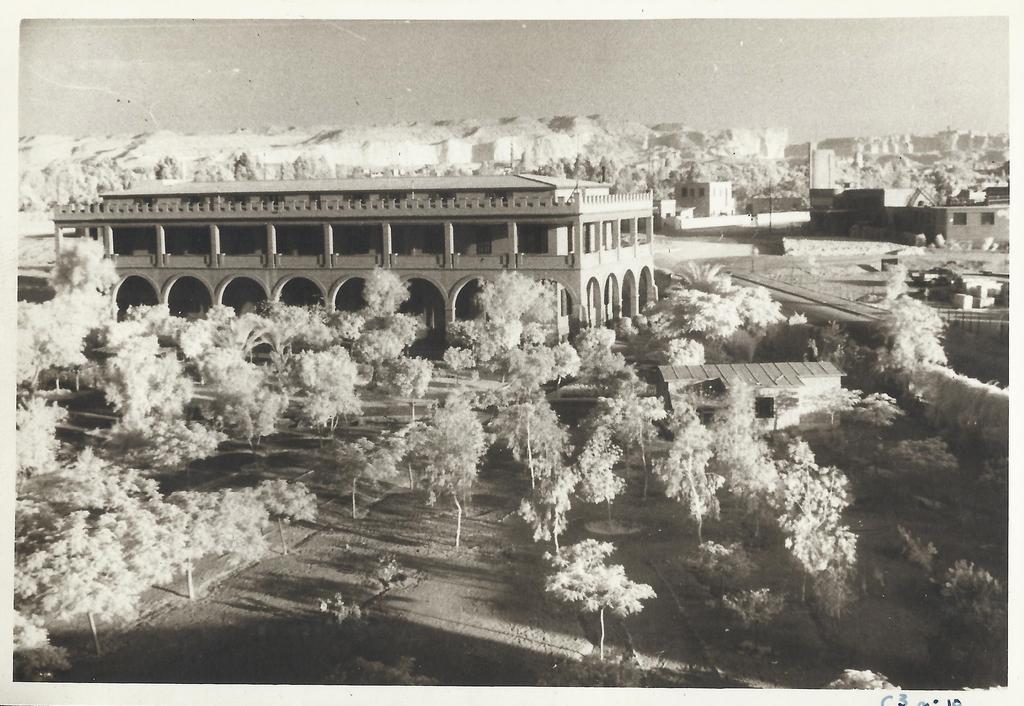
Aerial view of the Dominican convent and its gardens in Abbassiah, Cairo

Dominican Institute for Oriental Studies, Cairo

Our History

Scroll to begin

XIIIcentury

Founded in the thirteenth century in southern France, the Order of Preachers, otherwise known as the Dominicans, soon expressed a keen interest in the Middle East. The friars founded convents in key cities such as Constantinople, Tunis, Baghdad and Mosul. The Order's theologians were quick to attribute their knowledge of Aristotle to the erudition of Arab philosophers such as Averroes and Avicenna.

1928

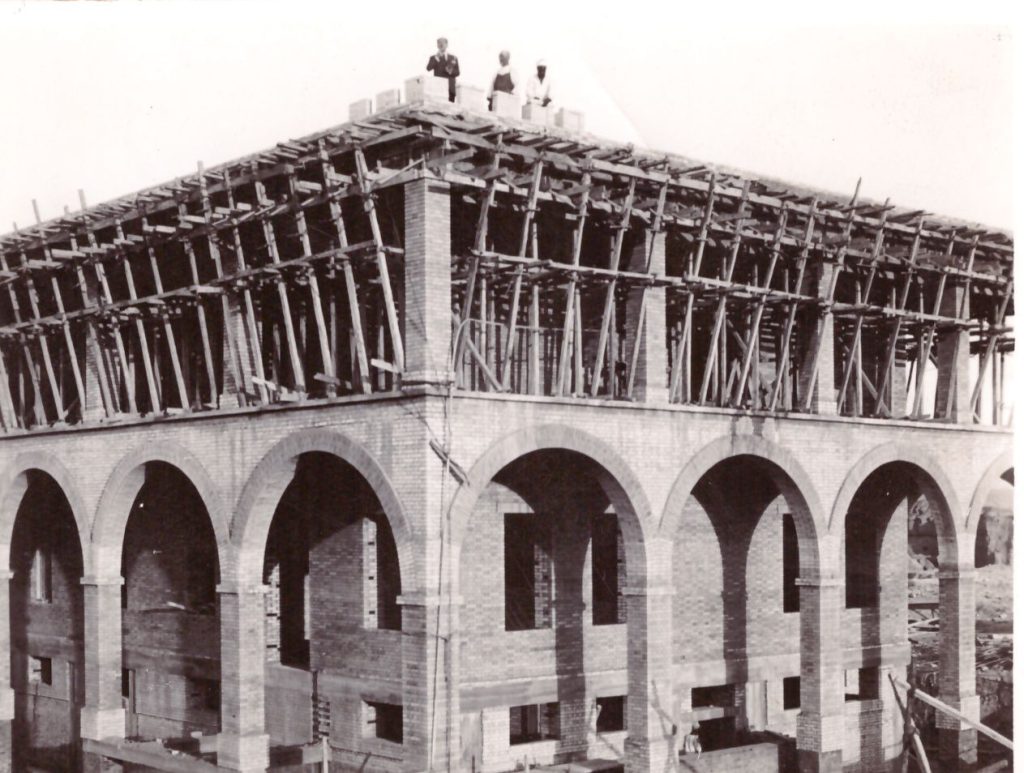
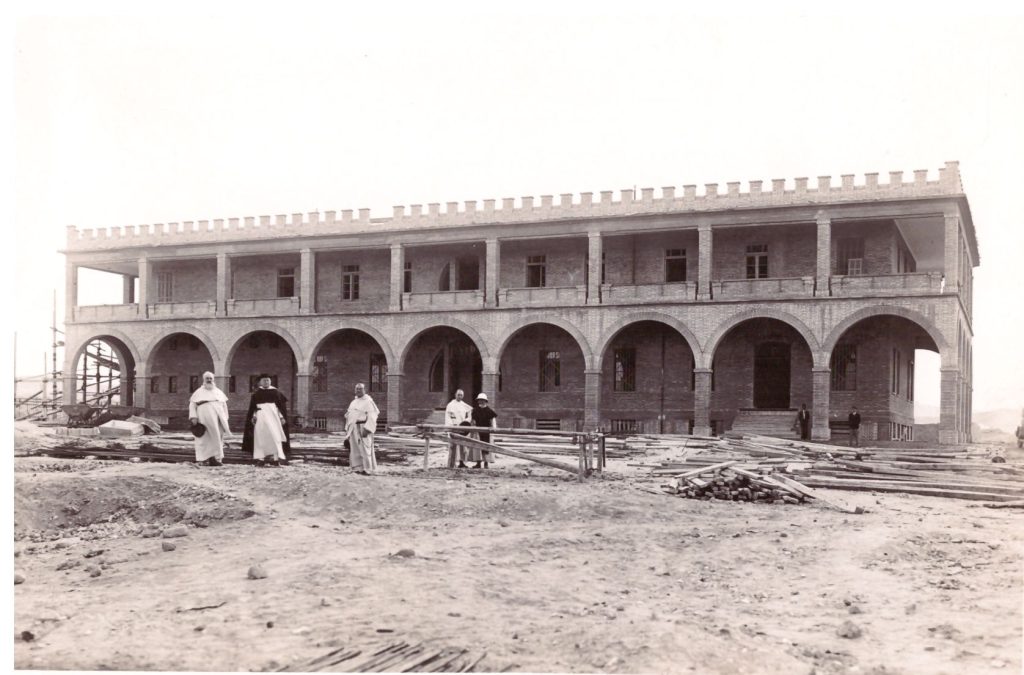
In modern times, the presence of the Order of Preachers in Egypt dates back to 1928, when Father Antonin Jaussen (1871-1962) acquired the land on which the convent now stands in the Abbassiah district, the foundation stone of which dates back to 1931. His intention at the time was to turn it into a branch of the prestigious École Biblique de Jérusalem, dedicated to exploring Egyptian archaeology in the context of biblical studies.

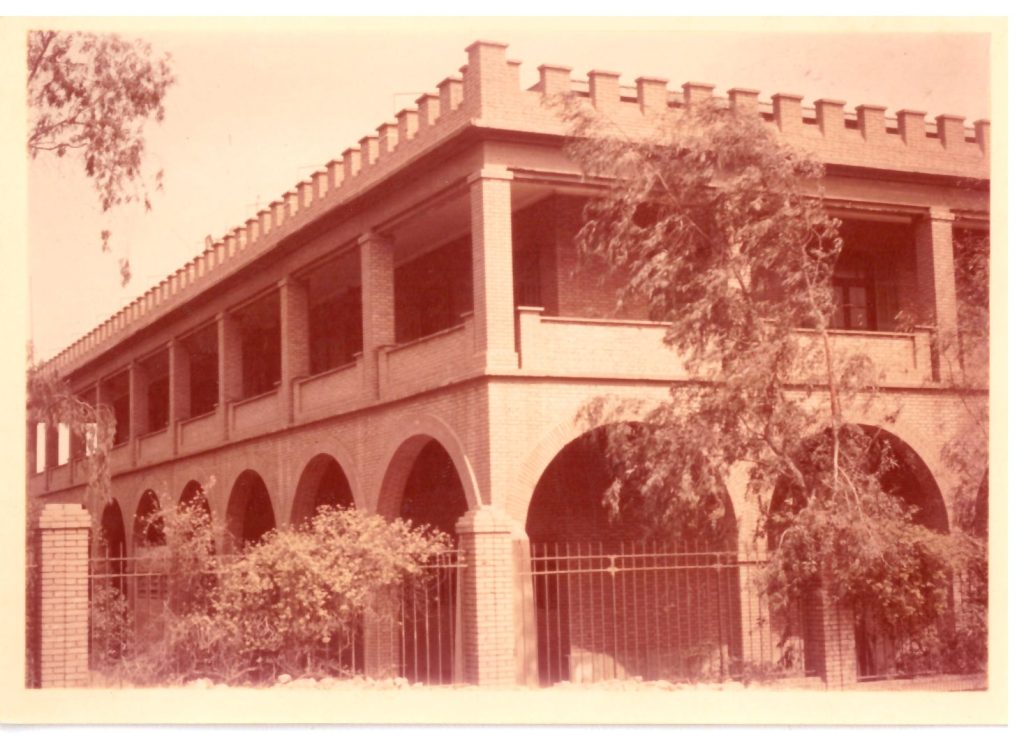
The arcades of the Dominican convent in Abbassiah under scaffolding during construction

1937

The Dominican Institute of Oriental Studies was officially founded on 7 March 1953. However, the idea of creating a research institute focusing on the Arab-Muslim world in order to promote better understanding between Christians and Muslims predated it by several years. At the request of Cardinal Tisserant, then Secretary of the Congregation for the Oriental Churches, the Holy See summoned the friars in 1937 to bring together a group of experts dedicated to the scientific study of Islam and the foundations of Arab-Muslim civilisation.

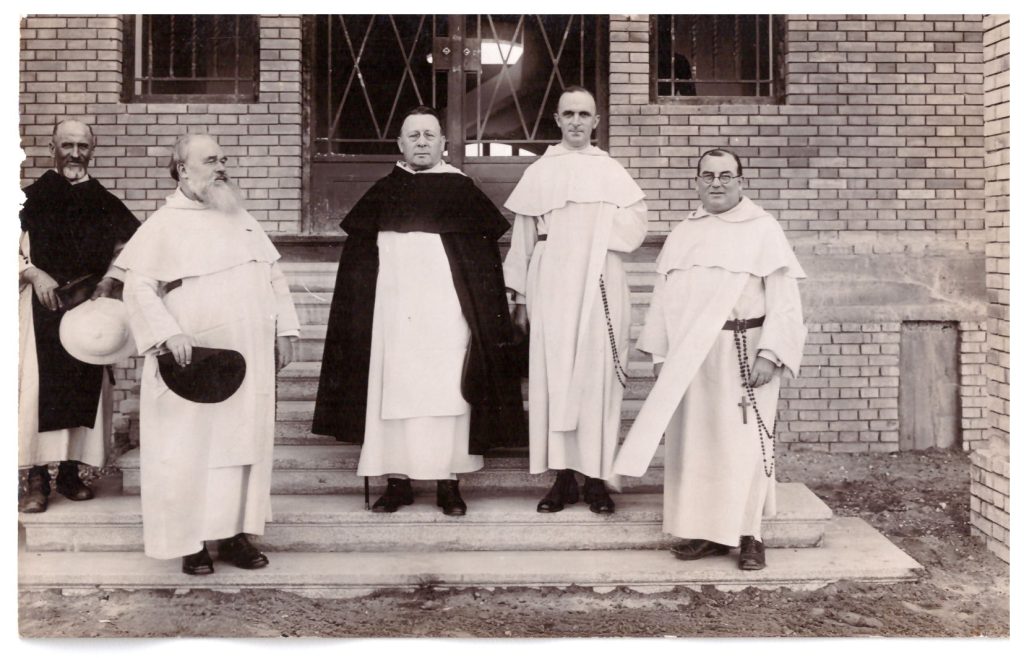
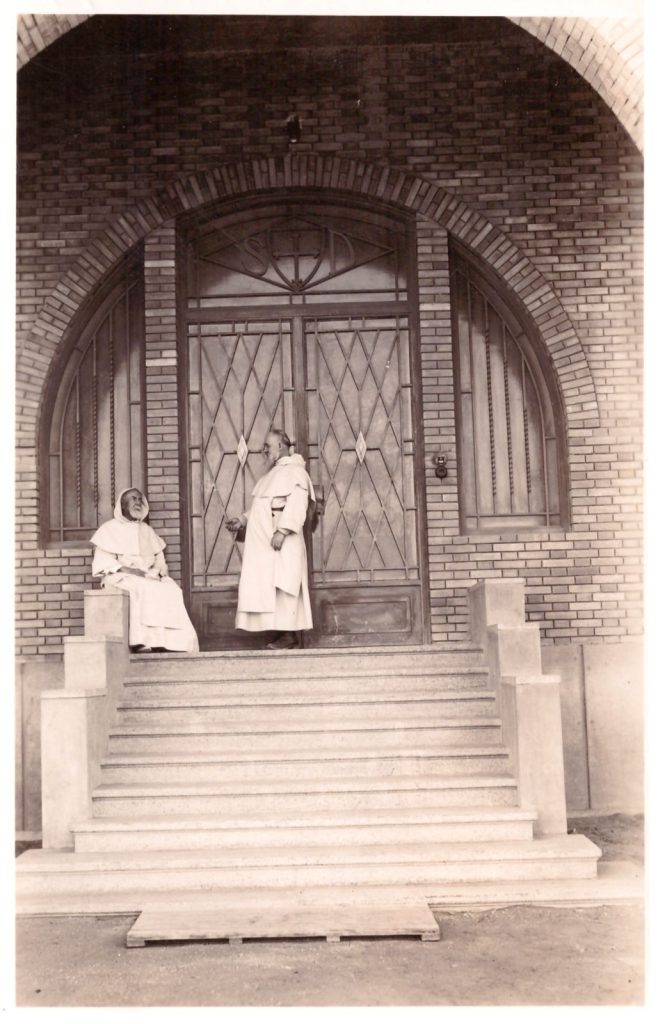
Dominican friars in white habits and guests standing on the steps of the convent
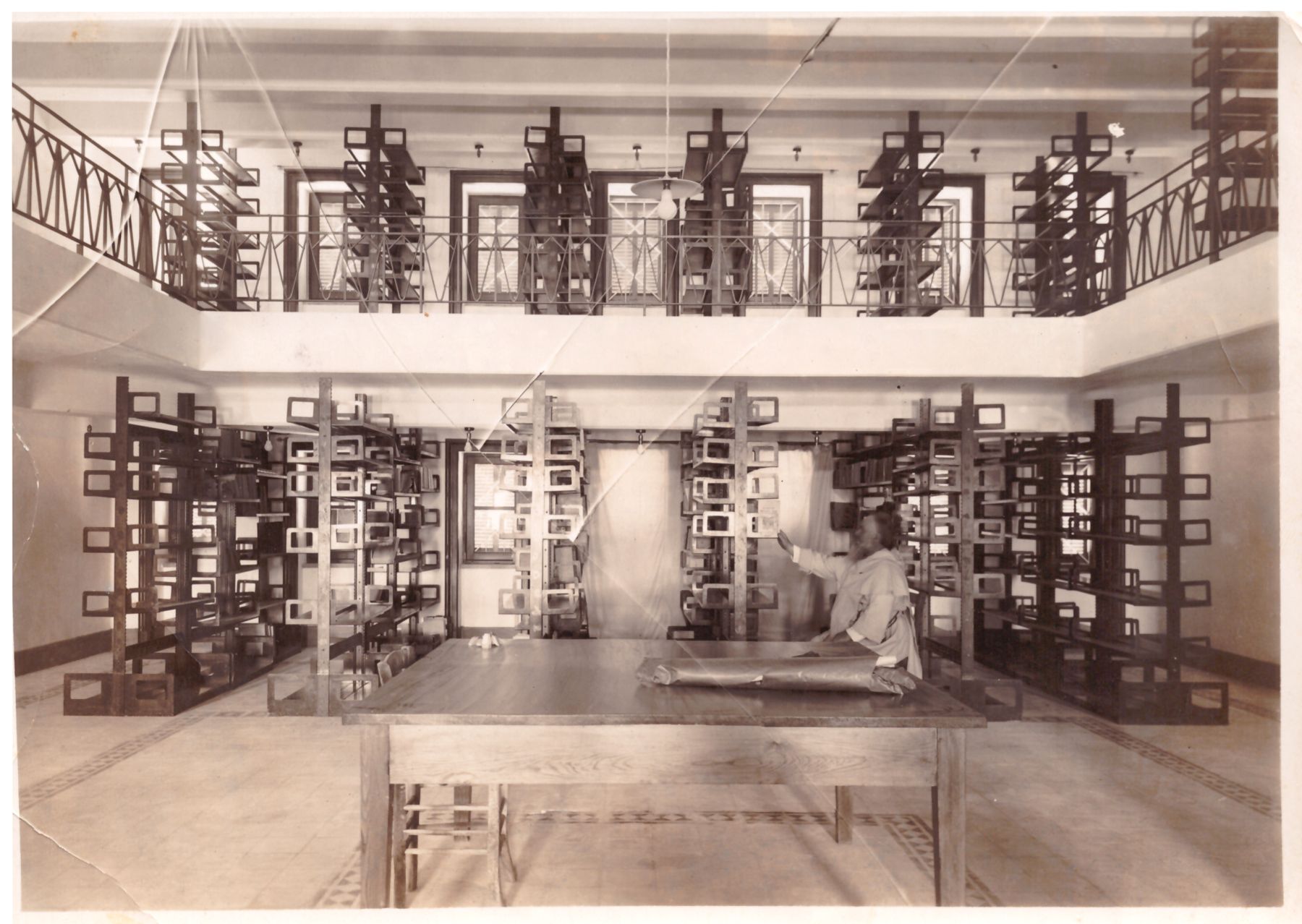
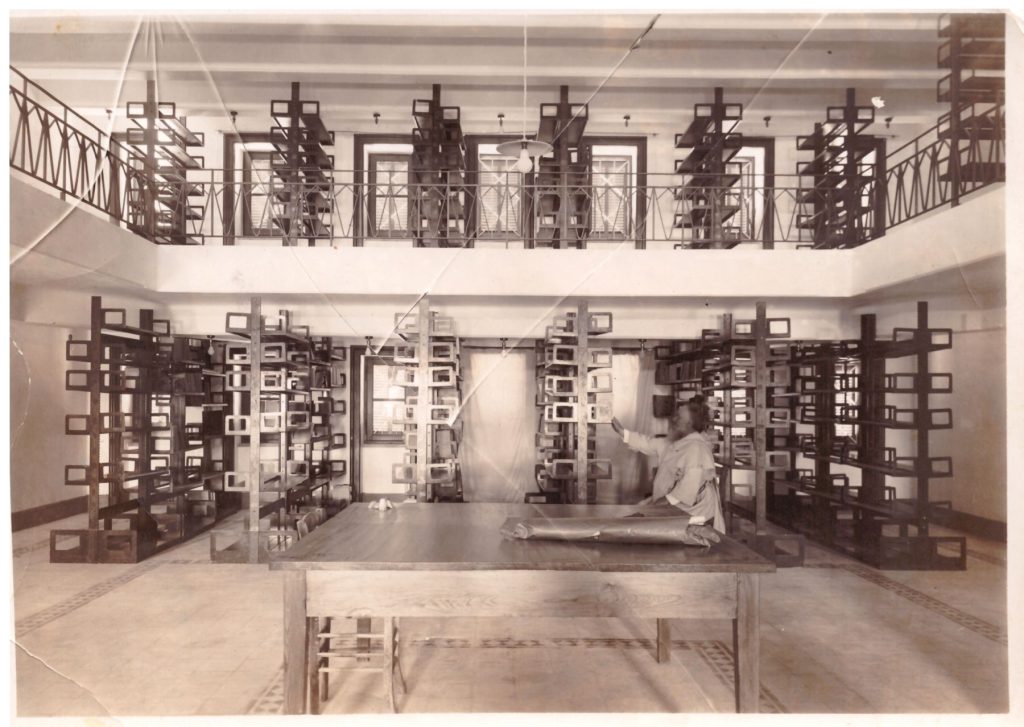
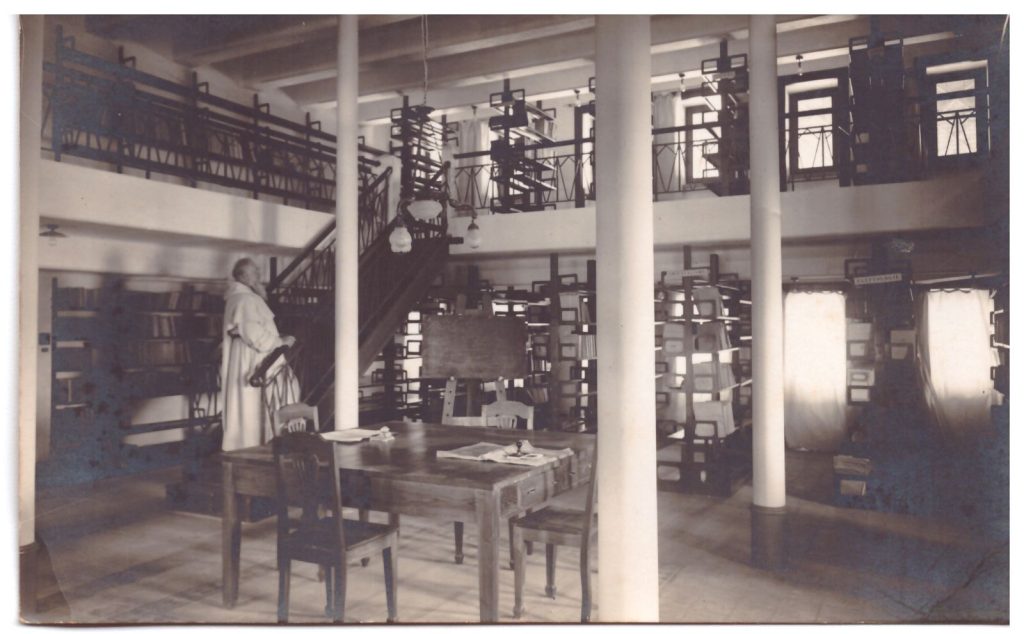
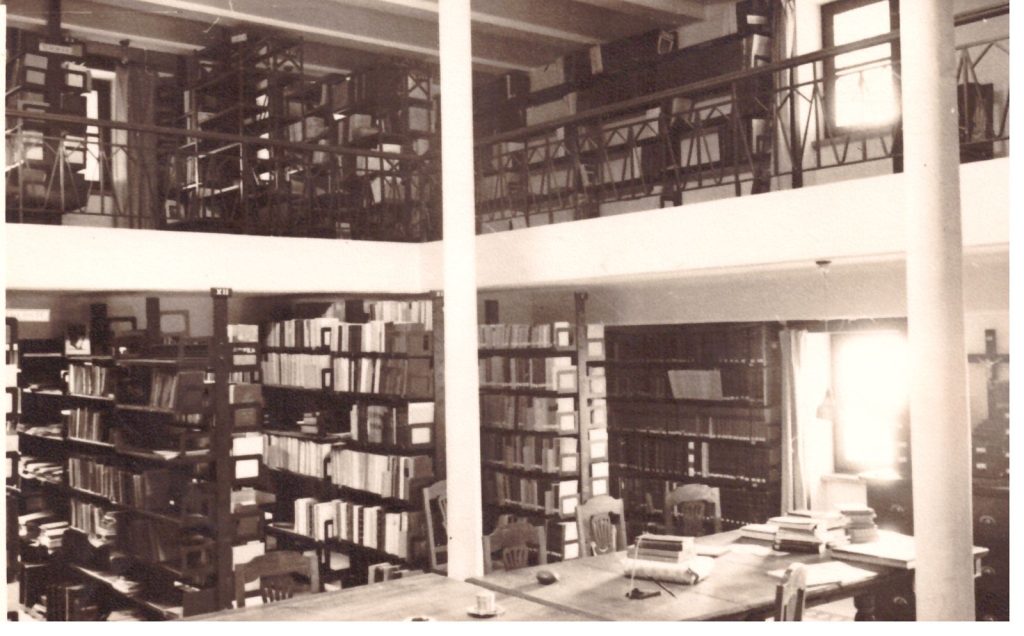
The old library hall of the Dominican convent in Cairo, with book stacks on two levels

Egypt, with its undeniable cultural influence and prestige in the Arab and Muslim world, in particular due to the presence of Al-Azhar University, is in fact the intellectual and cultural centre of the Sunni Muslim world.

19537 March

The convent in Cairo appeared to be the most appropriate place to host and carry out this undertaking. Egypt, with its undeniable cultural influence and prestige in the Arab and Muslim world, in particular due to the presence of Al-Azhar University, is in fact the intellectual and cultural centre of the Sunni Muslim world, but also of its revival since the end of the 19th century.

The brothers in charge of the project did not officially move into the Abbassiah convent until 1945, but the Idéo was officially founded in 1953. The team responsible for founding the Institute was made up of three young brothers: Georges Chehata Anawati, Jacques Jomier and Serge de Beaurecueil.

Georges Chehata Anawati

1905 – 1994

Jacques Jomier

1914 – 2008

Serge de Beaurecueil

1917 – 2005

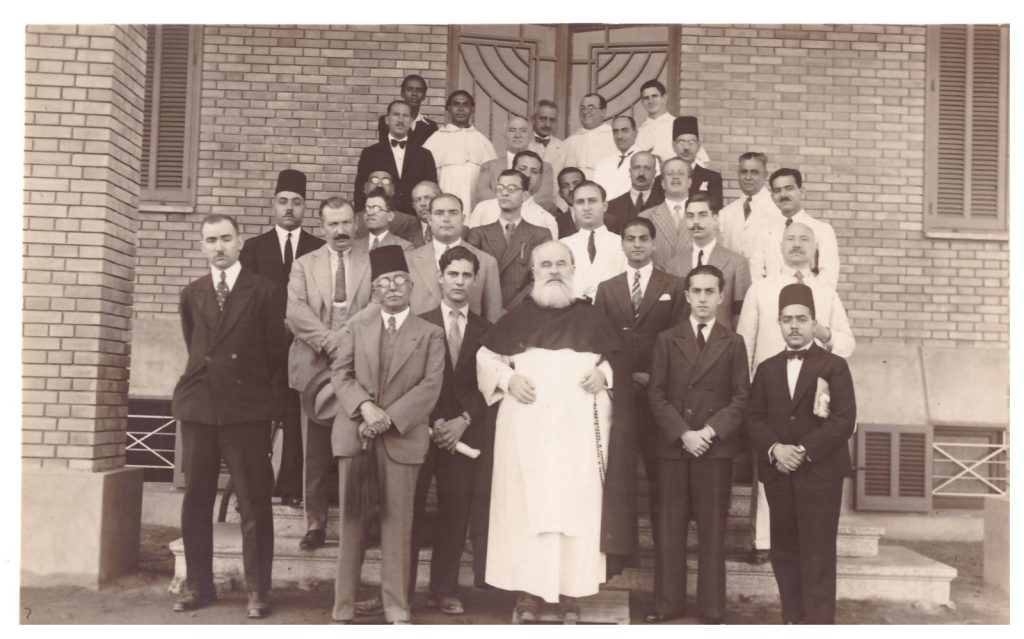
Dominican friars and lay guests gathered in front of the convent in Cairo

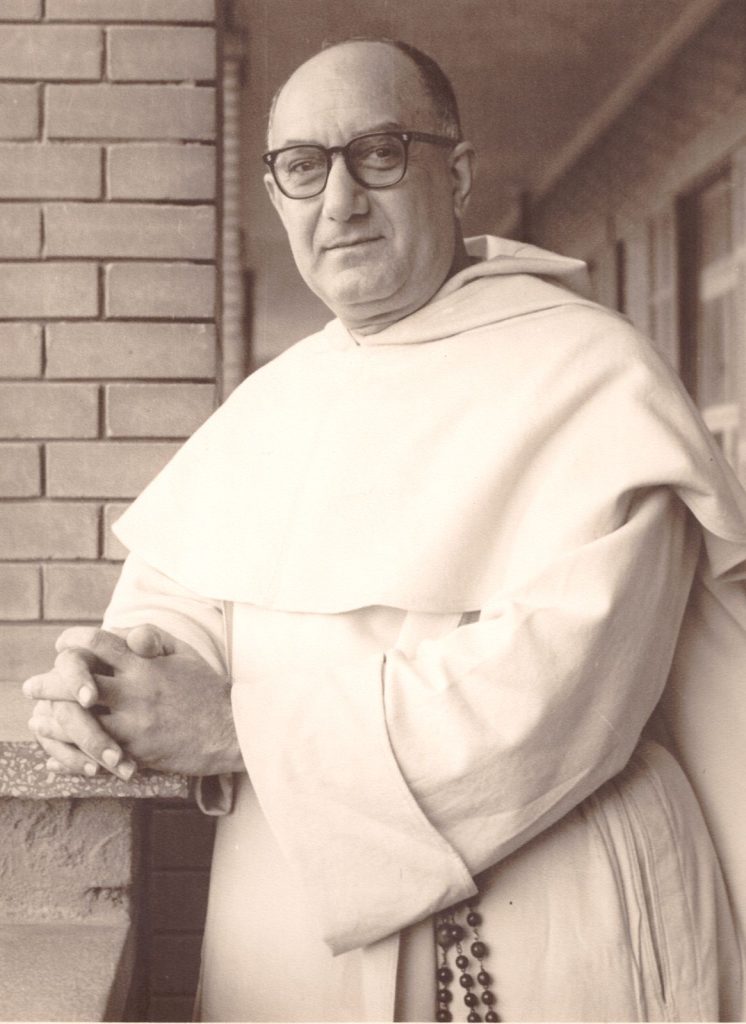
Georges Chehata Anawati

1905 – 1994

Father Georges Anawati in conversation with an Azhar sheikh at table

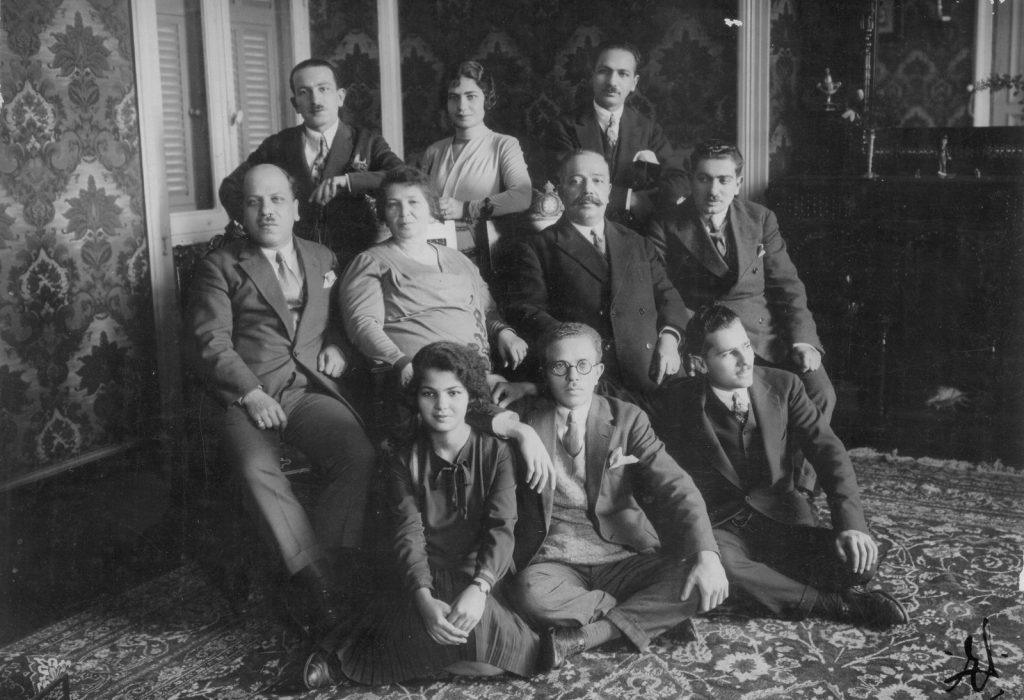
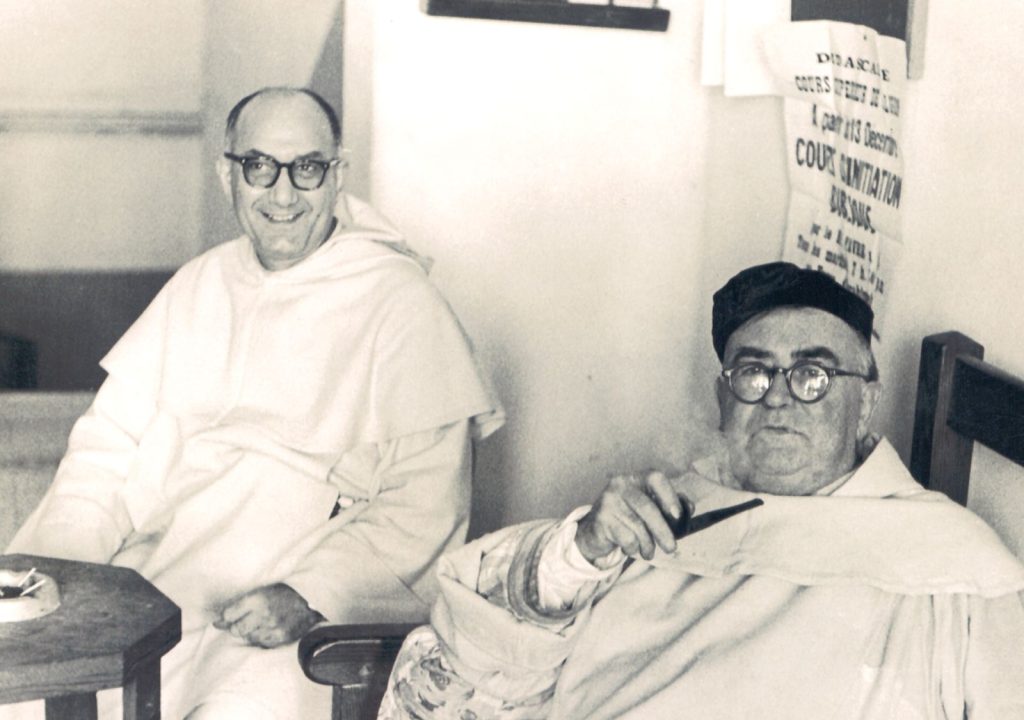
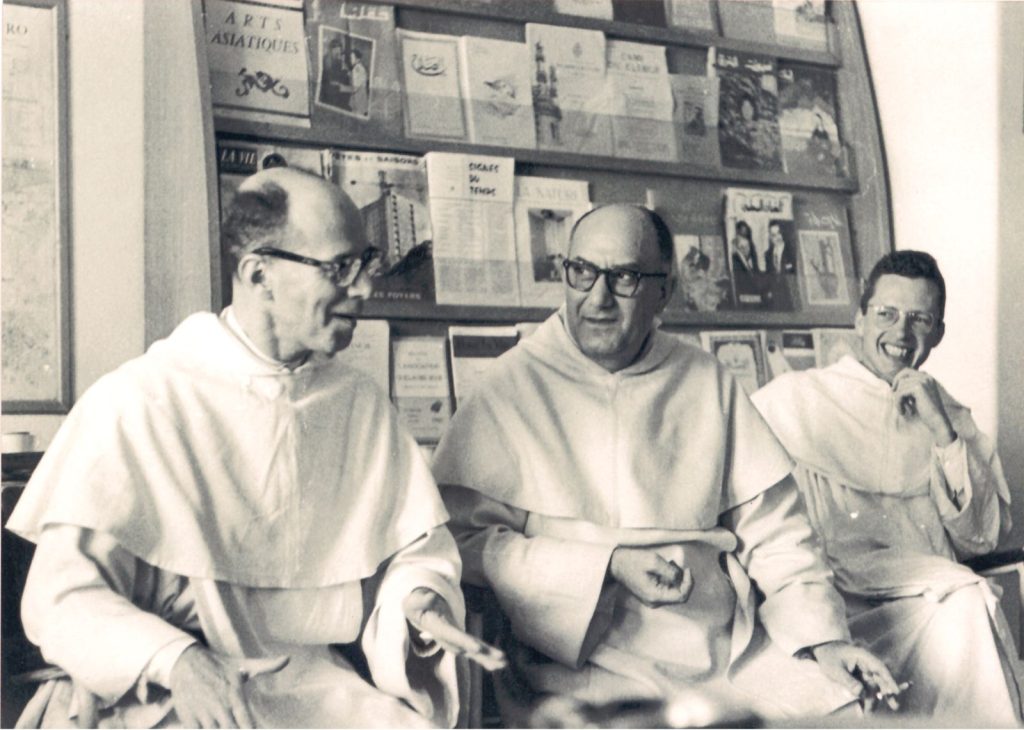
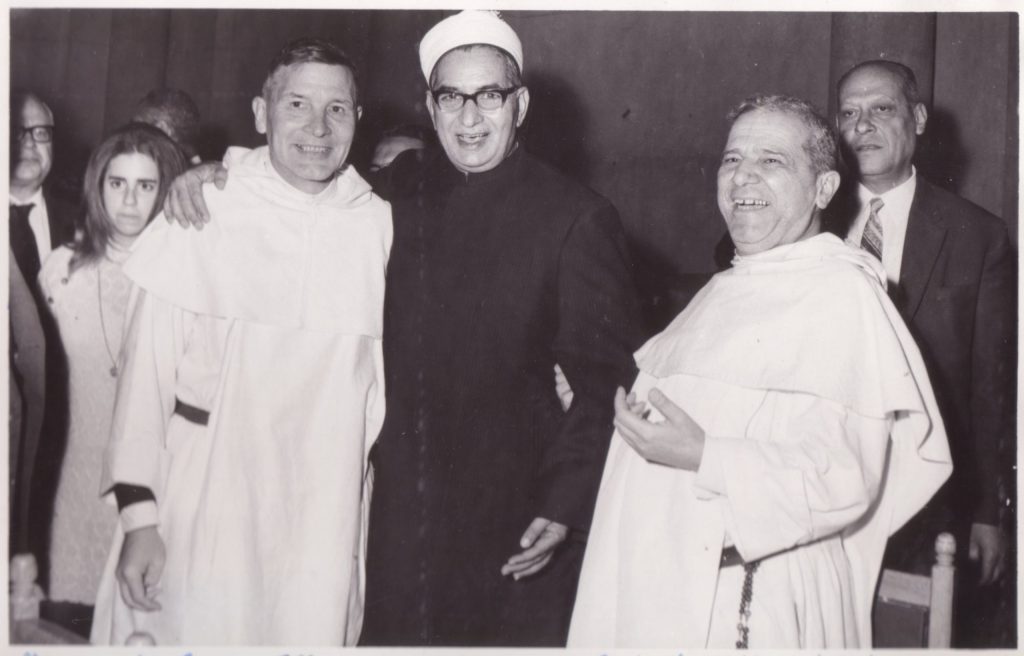
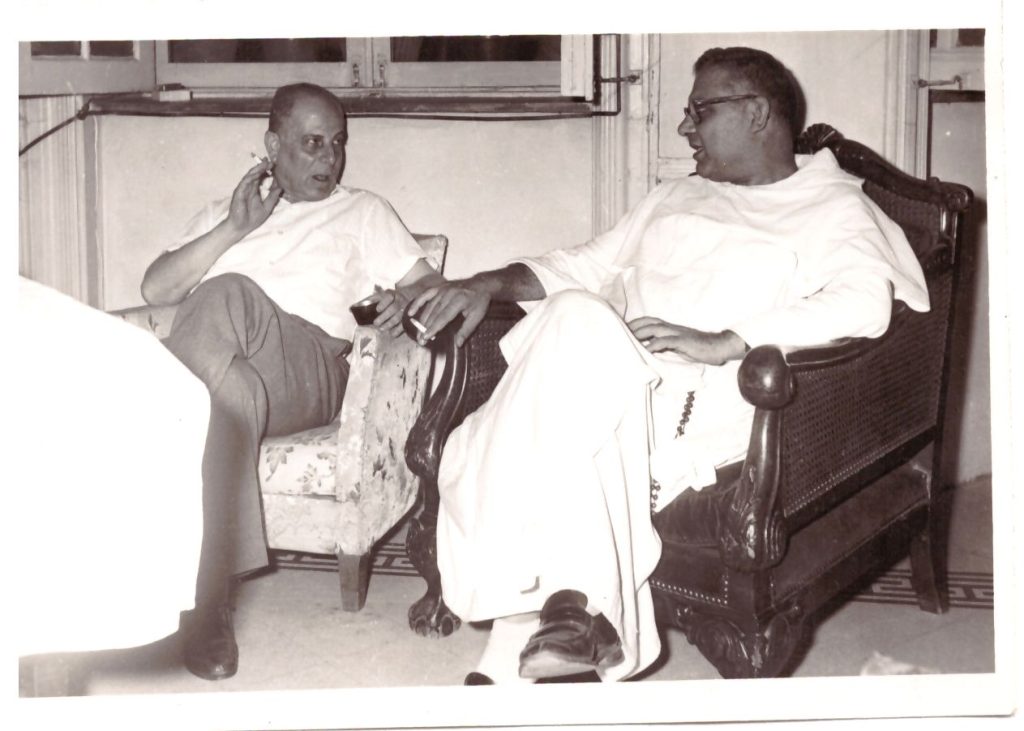
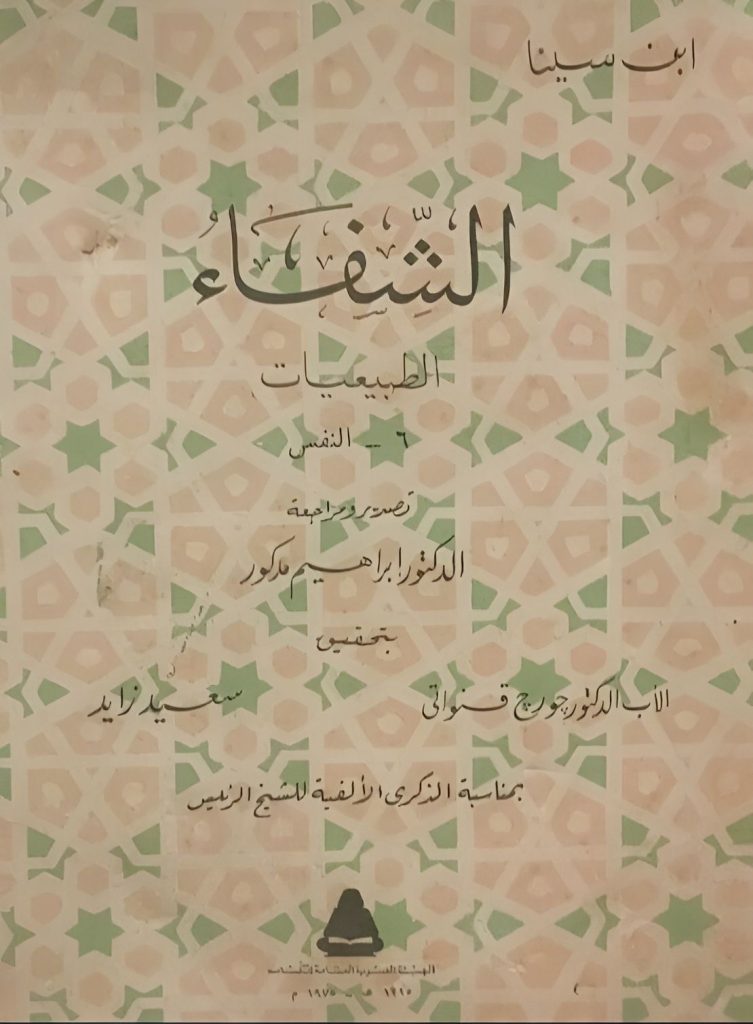
Born in Alexandria in 1905, Father Georges Chehata Anawati joined the Dominican order in 1934. Trained as a pharmacist, he went on to become a globally recognized expert in medieval Arab philosophy, a field crucial for bridging the gap between Greek heritage and medieval thought. His contributions to understanding figures like Avicenna and Averroes remain authoritative, as do his works like the "Introduction to Muslim Theology" and his translation of Avicenna's "Shifāʾ." Throughout his life, he dedicated himself to fostering connections between the Christian and Muslim worlds, and he played a pivotal role in the advancements made by the Second Vatican Council regarding dialogue with Islam. He passed away in 1994, on St. Thomas Aquinas Day, leaving behind a lasting legacy as a point of reference for Idéo members who seek to blend expertise with friendship in their engagement with the Muslim world (For further details, refer to Jean-Jacques Pérennès' book Georges Anawati (1905-1994), un chrétien égyptien devant le mystère de l'islam, Paris, Ed. du Cerf, 2008).

1905

Born in Alexandria

1934

Joined the Dominican order

1953

Founded MIDÉO

1994

Passed away on St. Thomas Aquinas Day

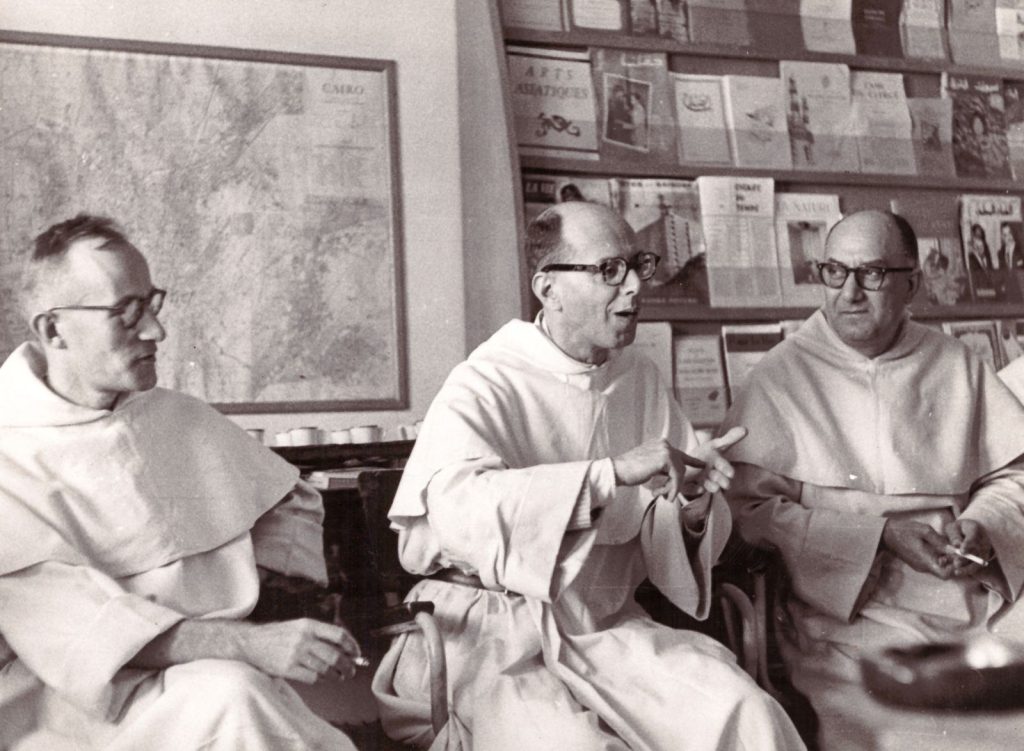
Father Georges Anawati in conversation with an Azhar sheikh at table Father Georges Chehata Anawati in his white Dominican habit Father Georges Anawati with a group of friends Father Georges Anawati laughing with a fellow Dominican friar Father Georges Anawati with two Dominican friars in the library Fathers Jacques Jomier and Georges Anawati with Egyptian scholars in 1969 Father Georges Anawati seated in conversation with a visitor Cover of an Arabic edition of Avicenna's Kitab al-Shifa (The Book of Healing)

His first two collaborators

His first two collaborators were Father Jacques Jomier and Father Serge de Beaurecueil. Both were introduced to Islamic studies by the renowned French Orientalist Louis Massignon, who instilled in them the belief that genuine knowledge of the Muslim world requires an initial sense of empathy.

Jacques Jomier

1914 – 2008

Jacques Jomier (1914-2008), after completing his thesis on the Qur'anic commentary of Manar, specialized in the study of the Qur'an and contemporary Arab culture. He was the first to introduce the Western world to the trilogy by Egyptian novelist Naguib Mahfouz. His book Pour connaître l'Islam (Paris, Ed. du Cerf, republished in 2001) continues to be a classic introduction to Islamic culture and religion.

Serge de Beaurecueil

1917 – 2005

Serge de Beaurecueil (1917-2005) arrived in Cairo in 1946, where he focused on the works of the Persian mystic Ansari, contributing to their editing. After his involvement in the early days of Idéo until 1963, he assumed a position as a professor of the history of Muslim mysticism at Kabul University in Afghanistan. As the sole Christian priest in this predominantly Muslim country, he documented his extraordinary experience in two exceptional books: Nous avons partagé le pain et le sel and Mes enfants de Kaboul (For more information, consult Jean-Jacques Pérennès' book Passion Kaboul, le père Serge de Beaurecueil, Paris, Ed. du Cerf, 2014).

From the archive

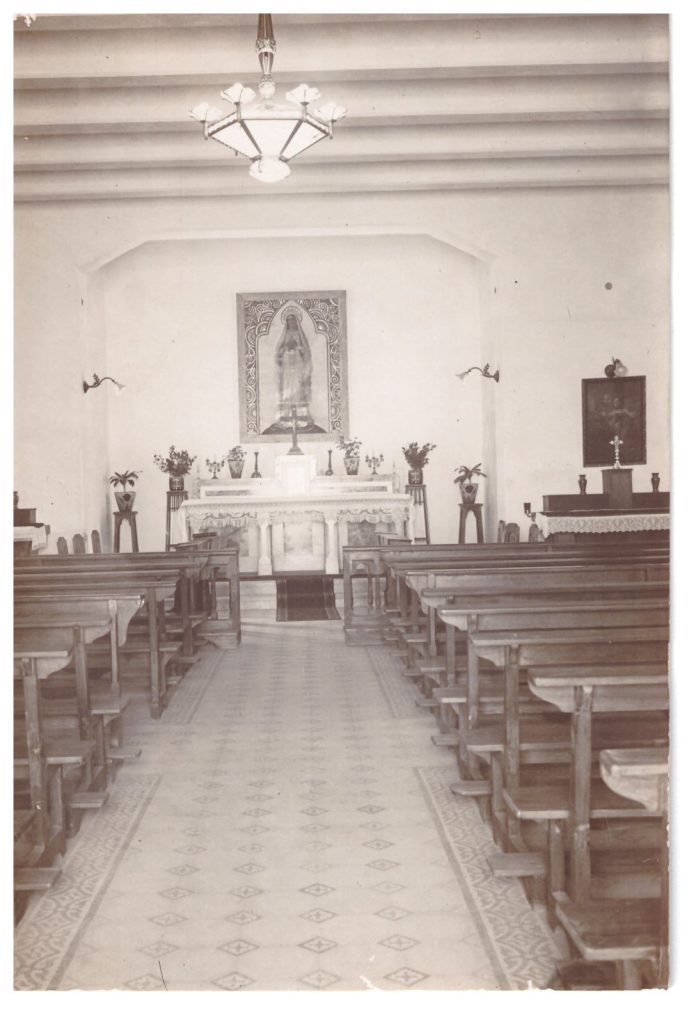
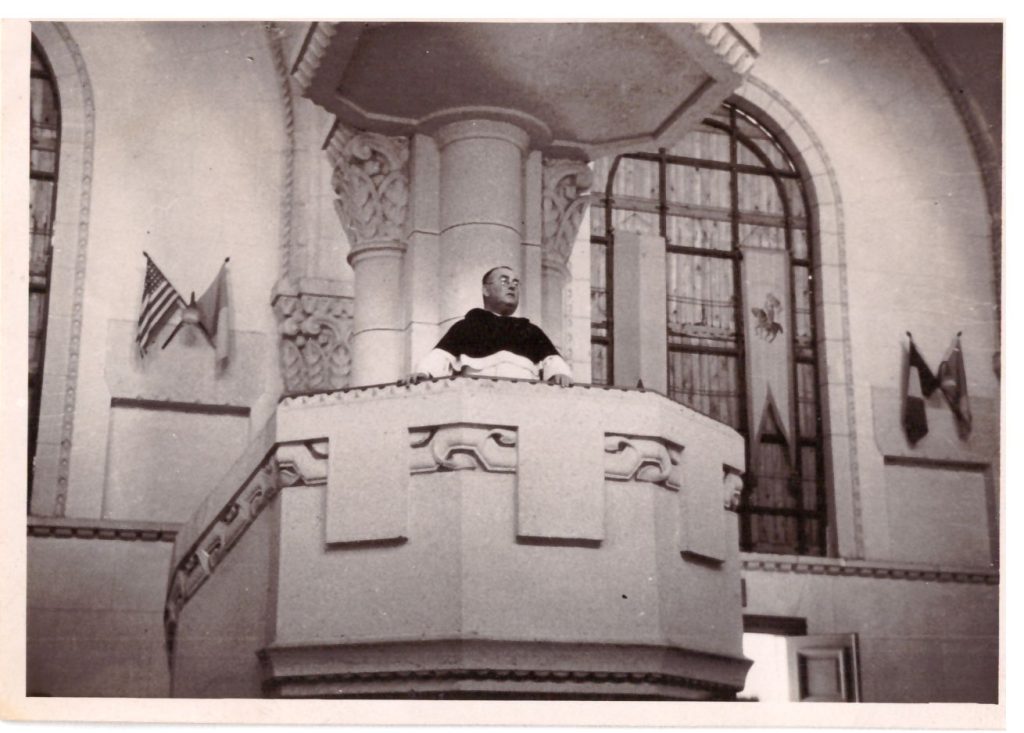
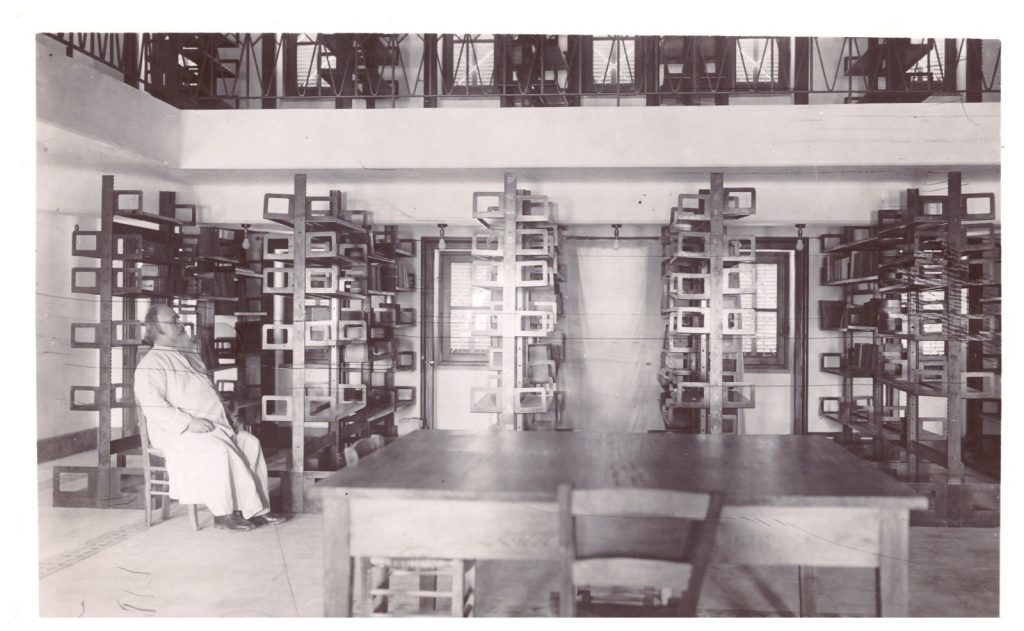
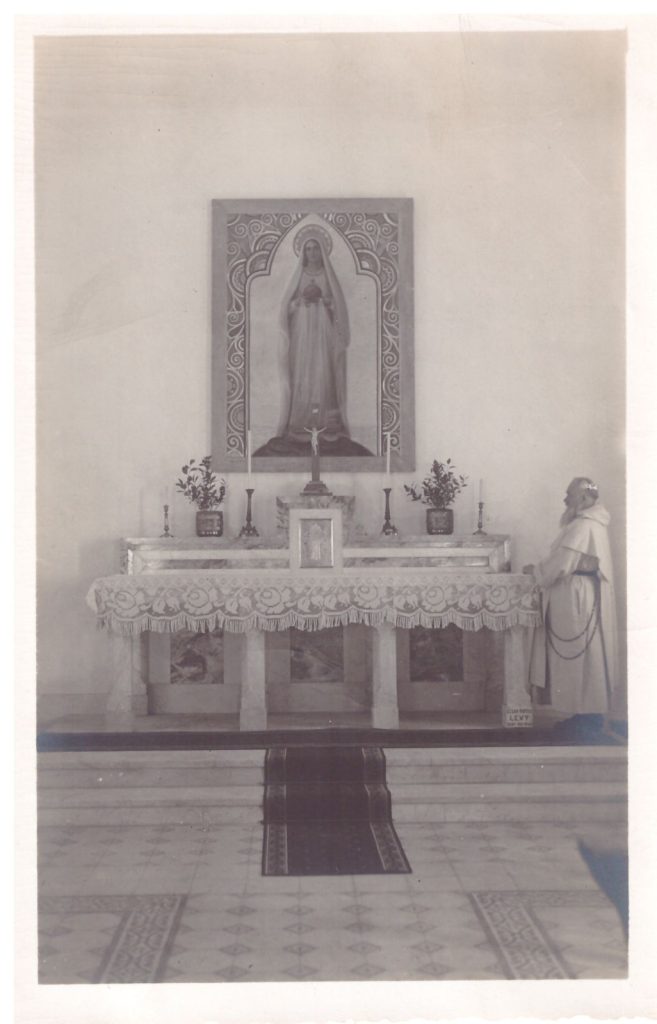
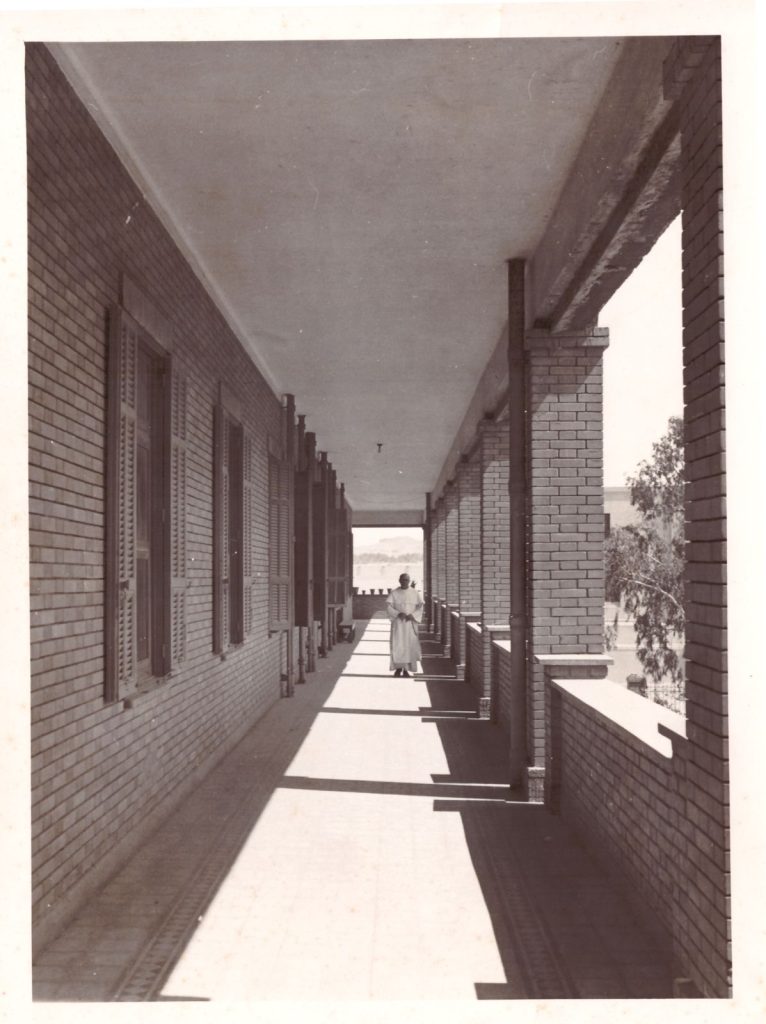
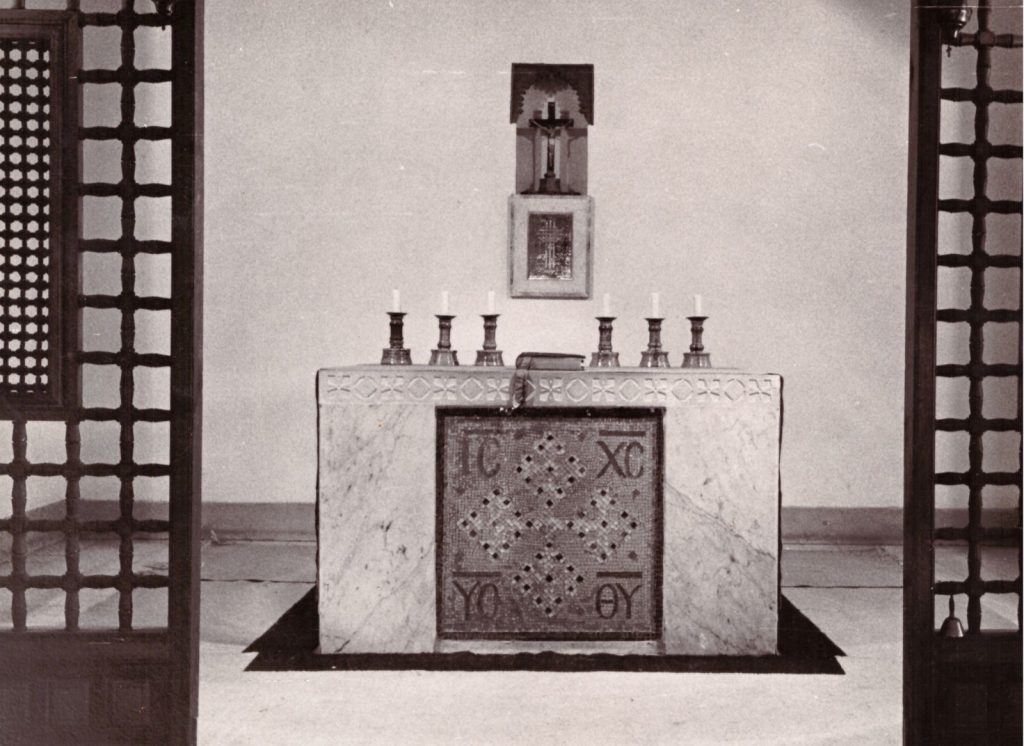
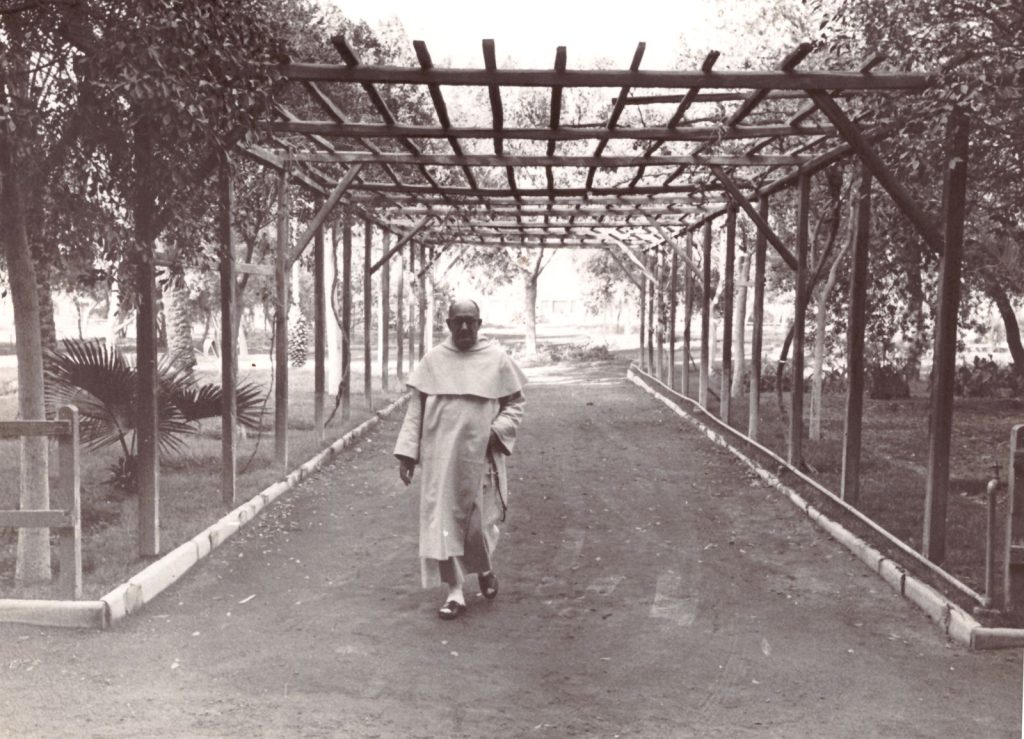
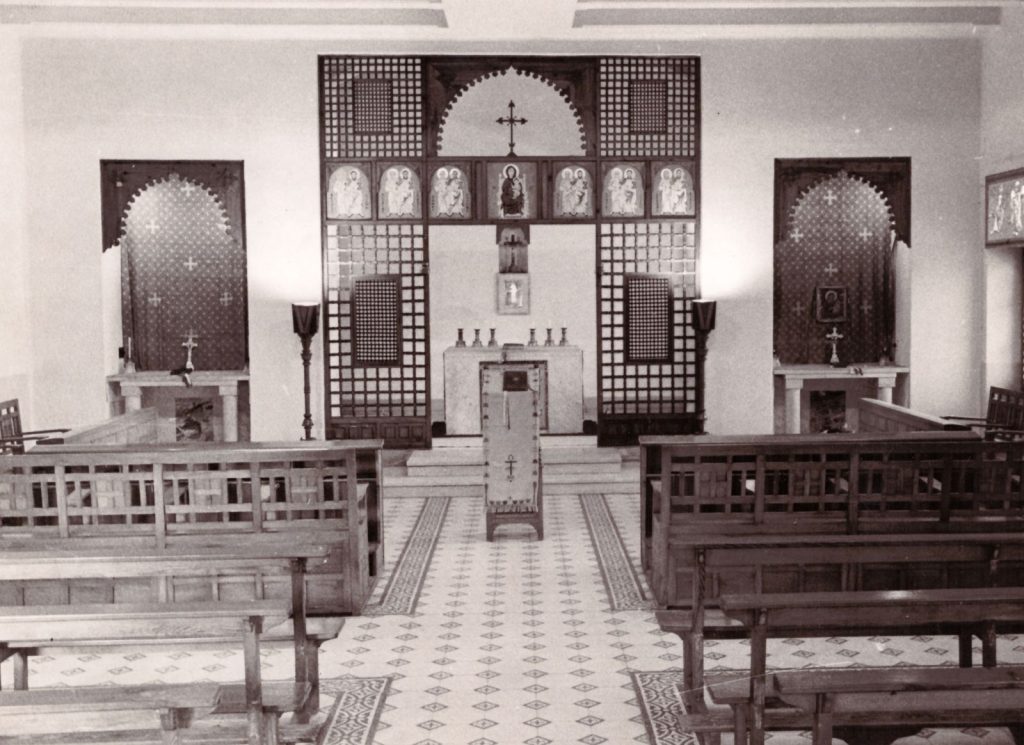
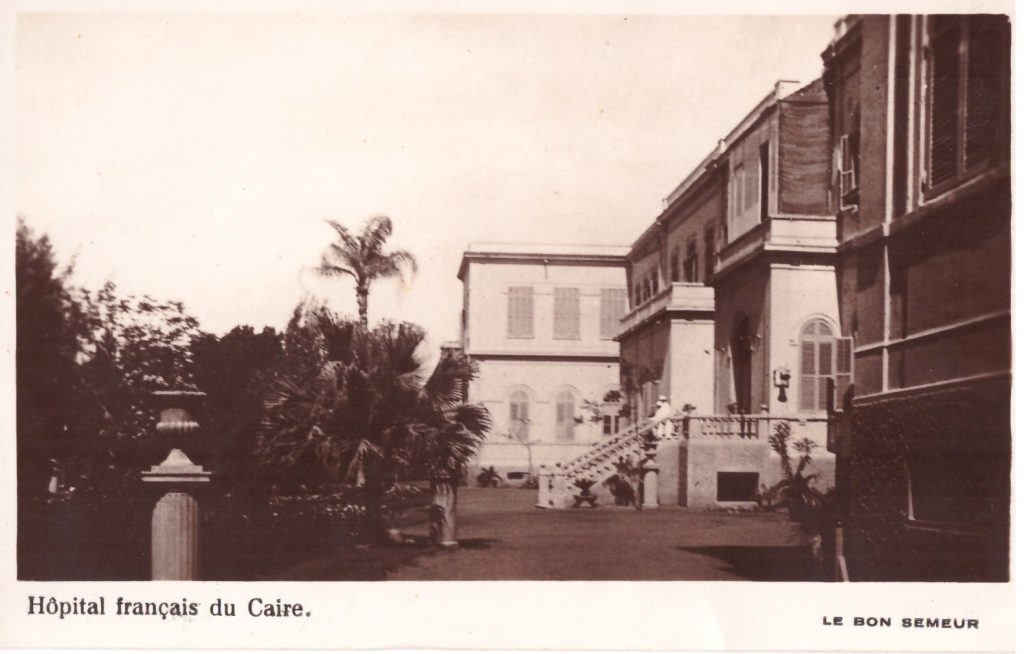
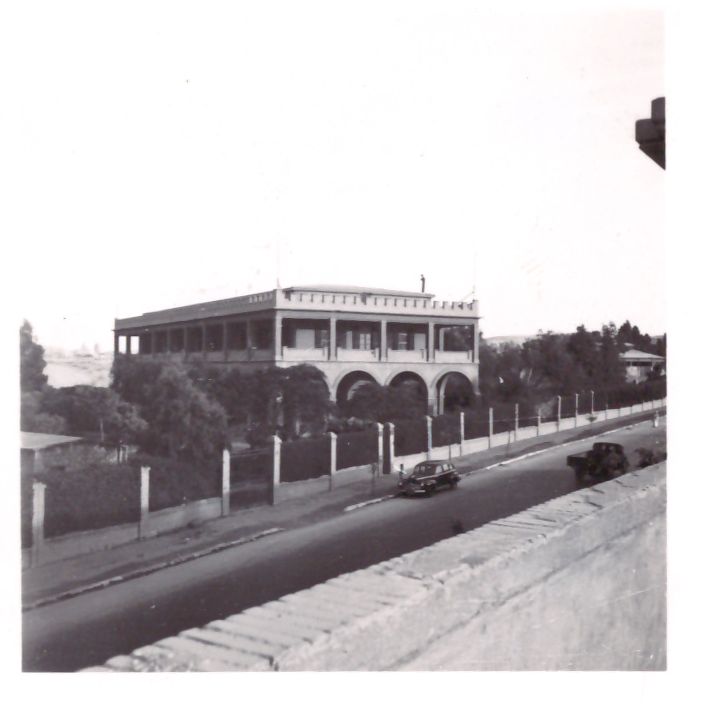
The arcades of the Dominican convent in Abbassiah under scaffolding during construction The nave of the convent church with its wooden pews The old library hall of the Dominican convent in Cairo, with book stacks on two levels The church doors at the top of the convent steps The pulpit of the convent church Library shelves on two levels in the convent library The finished Dominican convent in Abbassiah, Cairo The altar of the convent church An open corridor along the convent courtyard The reading room of the convent library A chapel altar in the convent The arcades of the convent building The book stacks of the convent library A Dominican friar walking under the pergola in the convent garden The sanctuary of the convent church The Dominican convent seen from the street Dominican friars reading in the library The convent wall and building along the road

Today

Idéo is first and foremost a research centre focusing on a common object of study: fundamental texts from the first ten centuries of Islam, covering a wide range of specialist fields.

1954

First delivery of MIDÉO

300,000+

records in the library

2002

Inauguration of the new building for the library

2015

Agreement of mutual cooperation with the university of al-Azhar

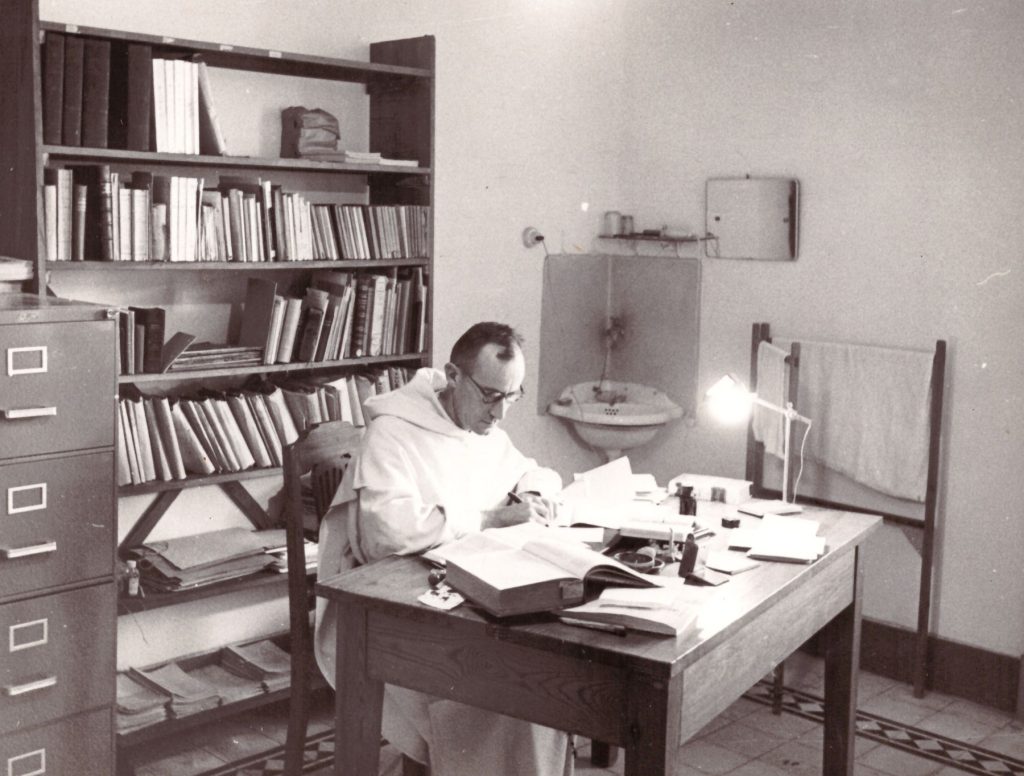
A Dominican friar at his desk surrounded by books

The members of Idéo contribute to scientific journals, in particular the Institute's journal MIDÉO (Mélanges de l'Institut dominicain d'études orientales), founded in 1953 by Father G.C. Anawati and first published in 1954. Over the years, the journal has been overseen by successive editors, including Georges Anawati, Régis Morelon, Emilio Platti and Emmanuel Pisani, and since 2021 by Dennis Halft.

The institute also offers researchers access to a vast library containing more than 300,000 records and a multitude of journals covering various disciplines in the field of Islamology. This collection includes material on the Arabic language, Qur'anic studies, exegesis, the kalām, Islamic law and jurisprudence, history, philosophy, Sufism, the sciences, and much more. Since 8 November 2002, a new building has housed the library, which can accommodate almost 40 readers.

In addition to its academic and university activities, Idéo is actively involved in interfaith dialogue. Among Cairo's religious institutions, the institute maintains close links with Al-Azhar University, culminating in the signing of a mutual cooperation agreement in 2015. Idéo also maintains good relations with the Coptic Church.

Idéo members participate in academic conferences and organise seminars in various parts of the world. They are also happy to take part in conferences or debates for a cultivated readership.

2024

Chaire Anawati project launched

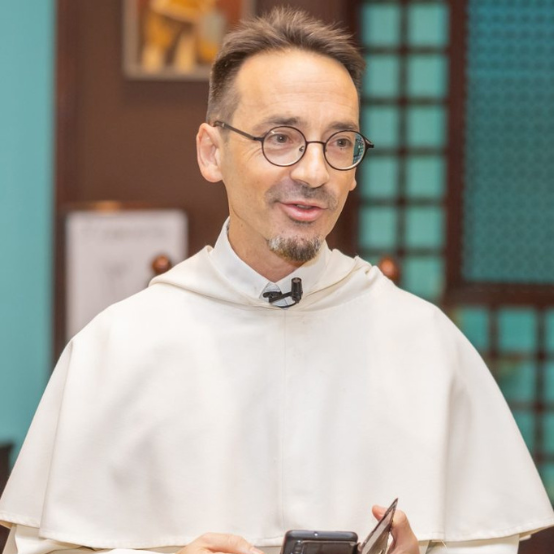
Led by Fr. Emmanuel Pisani, o.p., the project is supported by EU funding and dedicated to the fight against religious extremism through interfaith dialogue.

Father Emmanuel Pisani, O.P., director of Idéo
Visual of the Anawati Chair project, with the Idéo and European Union logos

Continue Exploring

Discover more about our research programs, our library, and how to connect with the institute.